Leading Plant Development and Operation in Vietnam’s Beef Industry
Shogo Kuwahara / Strategy Planning Section, Corporate Planning Department (on secondment to Japan Vietnam Livestock Co., Ltd.)
May 27, 2025
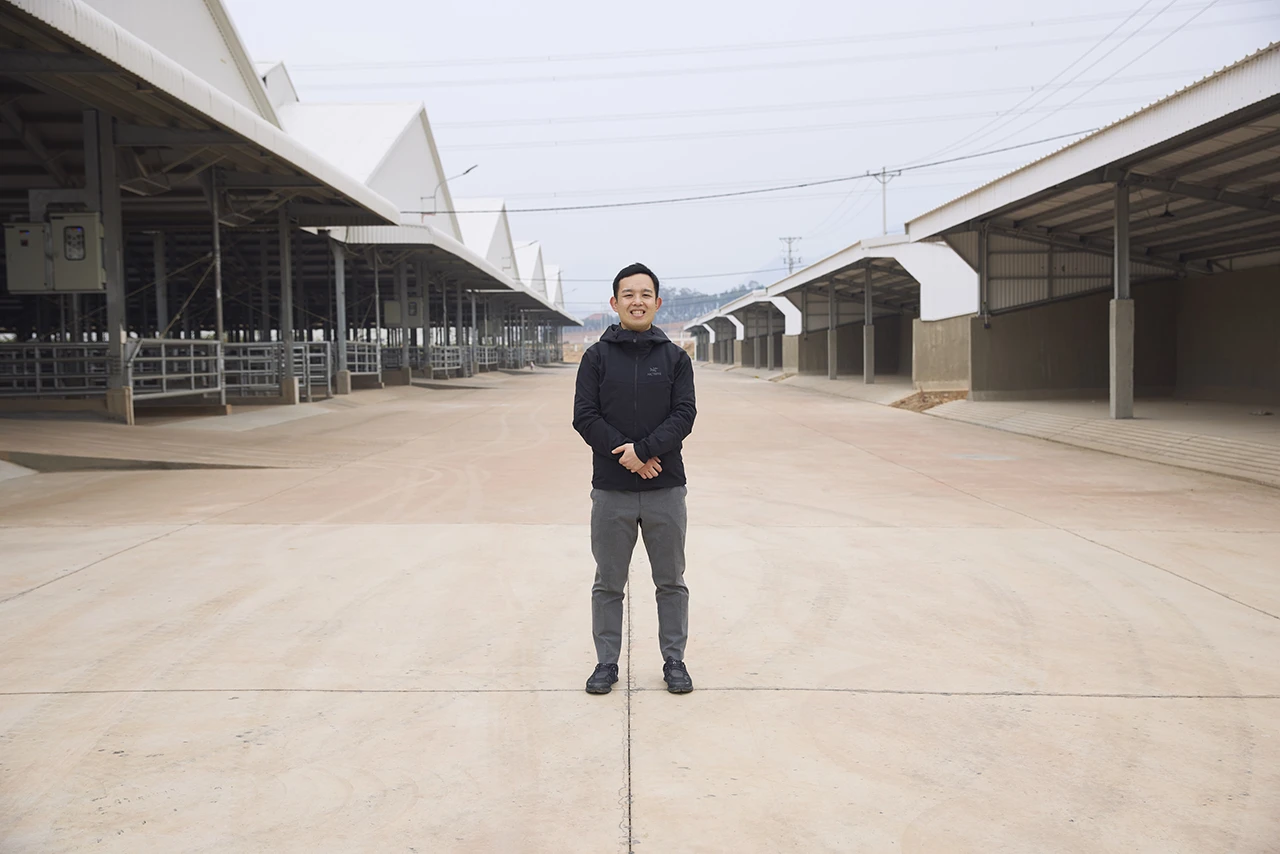
During university, I played on a school sports team that occupied most of my time. When it came time to start my job search, I still didn’t know what I wanted to do with my future. After wrestling with the decision, I became frustrated with the idea that I needed to figure out a plan for my life in such a short period of time. If I couldn’t decide what I wanted to do, I would find something that I needed to do in the world. When I looked back on my life up to that point, I realized that while I had the privilege to enter university, pursue my studies, and play the sport that I loved, there were many people across the world without those freedoms because their home country lacked the infrastructure to meet their basic needs, like water, electricity, and transit.
As someone who grew up in an environment full of opportunities, I concluded that I had a responsibility to create that same kind of environment of opportunity for others. This realization led to my interest in social infrastructure projects in developing countries that improve quality of life and empower people to achieve their goals and dreams. During my job search, I learned about Sojitz’s involvement in infrastructure projects in developing nations, which was exactly the kind of work I dreamed of doing. I therefore made the decision to apply to work at Sojitz.
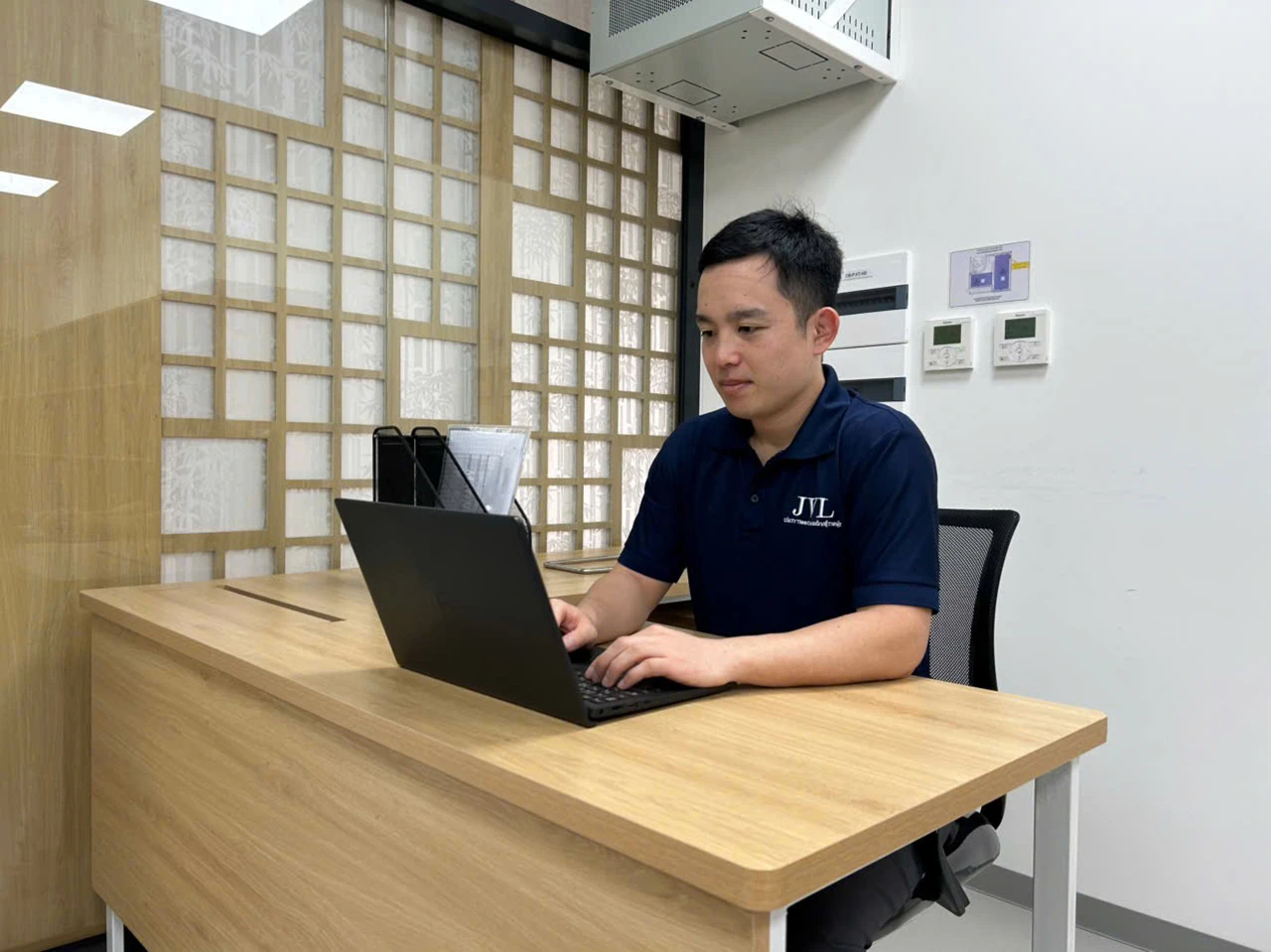
After joining the company in 2016, I worked in a number of different departments and also went on the overseas trainee program. I was then sent on secondment to Sojitz Group company Sojitz Machinery in 2020. Sojitz Machinery is a trading company that specializes in industrial machinery, and I was assigned to the section that handled food processing machinery. This team imported devices primarily from Europe to sell on the Japanese market, and my role involved the sale of our imported machinery to foodstuffs manufacturers primarily in the Hokkaido region.
When importing machines from overseas, the manufacturer typically sends a field service engineer to oversee every step of the installation process, from equipment assembly to initial operations. However, my secondment coincided with the COVID-19 pandemic, and there was no way for overseas engineers to travel to Japan. This meant that I had to travel to our clients in Hokkaido myself to supervise assembly of the machines, configure the initial settings, and teach the operators how to use the equipment. I have a humanities background and knew nothing about machines, but I diligently studied product diagrams and even helped troubleshoot issues by checking each cable inside the machine one by one. This hands-on approach taught me not only about how the machines are operated, but how they actually function from the inside out. Looking back on that time, I acted more as an engineer representing the manufacturer than a sales rep for a trading company.
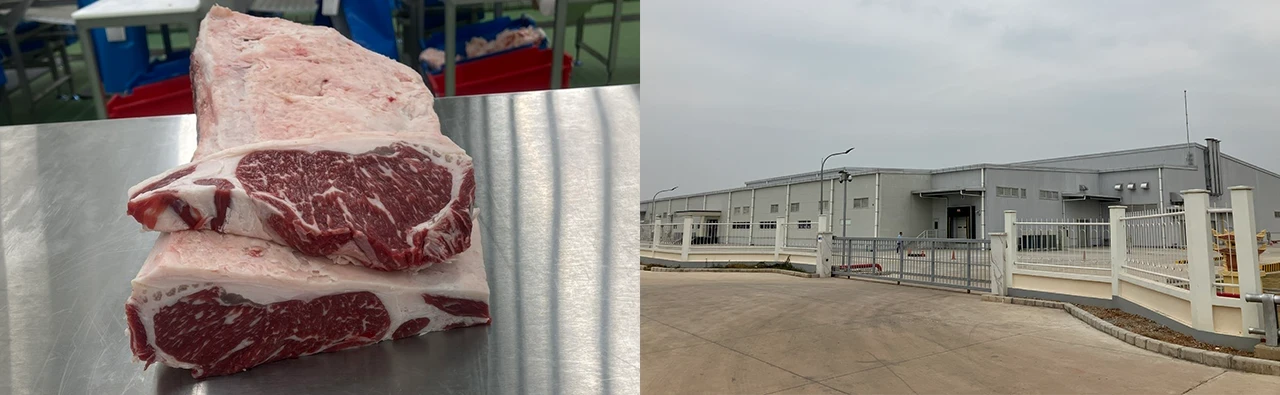
Around that time, there was a project in development at Sojitz HQ to build a facility in Vietnam that would be one of the largest beef processing plants in Southeast Asia. The plant would handle all aspects of the beef production process, from cattle raising and meat processing to sales. The project members had reached the stage of selecting the specific machines that would be used for slaughtering and meat processing when they caught wind that there was a unique Sojitz employee at Sojitz Machinery who was importing food processing equipment from Europe for sale in Hokkaido. The team reached out to me, and I ended up helping to develop the new project while continuing my work at Sojitz Machinery. I negotiated with beef processing equipment manufacturers and reported to the project members on my research regarding various technologies and machinery. Finally, in the fall of 2021, they invited me to assist with the construction of the plant in Vietnam, and I arrived in the country in the spring of 2022.
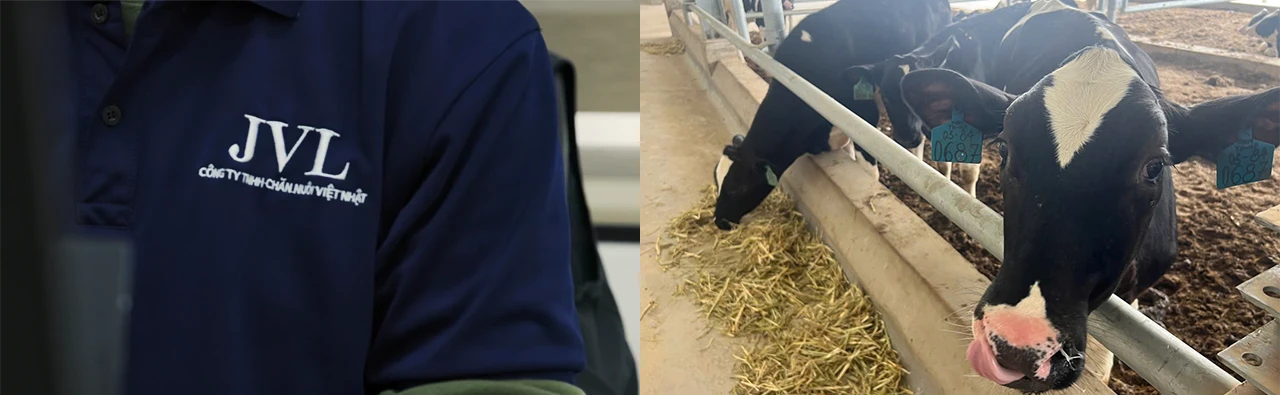
I had three key missions for my time in Vietnam. My first mission was to close a contract with a construction company for construction of the plant. I had plenty of experience with drafting contracts in my previous roles, but I quickly learned that the development of an entire processing plant required a contract far more complex and substantial than I had imagined. All I could do was keep poring over each word of the contract draft at every chance I got until I had a grasp on the details. I also worked closely with my boss—the project manager—as well as our partner companies to brainstorm and vet ideas. After countless hours of negotiation with the construction company, we were finally able to sign a contract that both the Sojitz side and our partner company could agree upon. At the time, I was desperately working to keep up with the relentless pace of the project members. Looking back now, I think it was only through sheer determination that I was able to complete the contract negotiations.
My second mission was to carry out the contract. After finally concluding the construction contract, we then entered the execution phase, and we encountered a number of obstacles during this period. The process entailed designing the facility, acquiring the necessary permits, importing machinery, connecting utilities such as water and electricity, and gaining company approval for a range of procedures. Unfortunately, the roughly two years we spent on these steps were not without complications. The project required extremely close collaboration with our partners, and solving each problem that we faced as a team felt like running a three-legged race. I contacted our project partners on countless occasions to carefully explain the issue at hand and gain consensus for each decision. In my previous roles in the machinery field, I did not have much experience in collaboration with outside partner companies. Through my time in Vietnam, I have learned how to achieve alignment with collaborators and work together to move the project forward. This experience has also taught me that by working to fully understand the other party’s perspective and providing mutual support, it is possible to arrive at the optimal solution. These communication skills have become a major asset to me in my career.
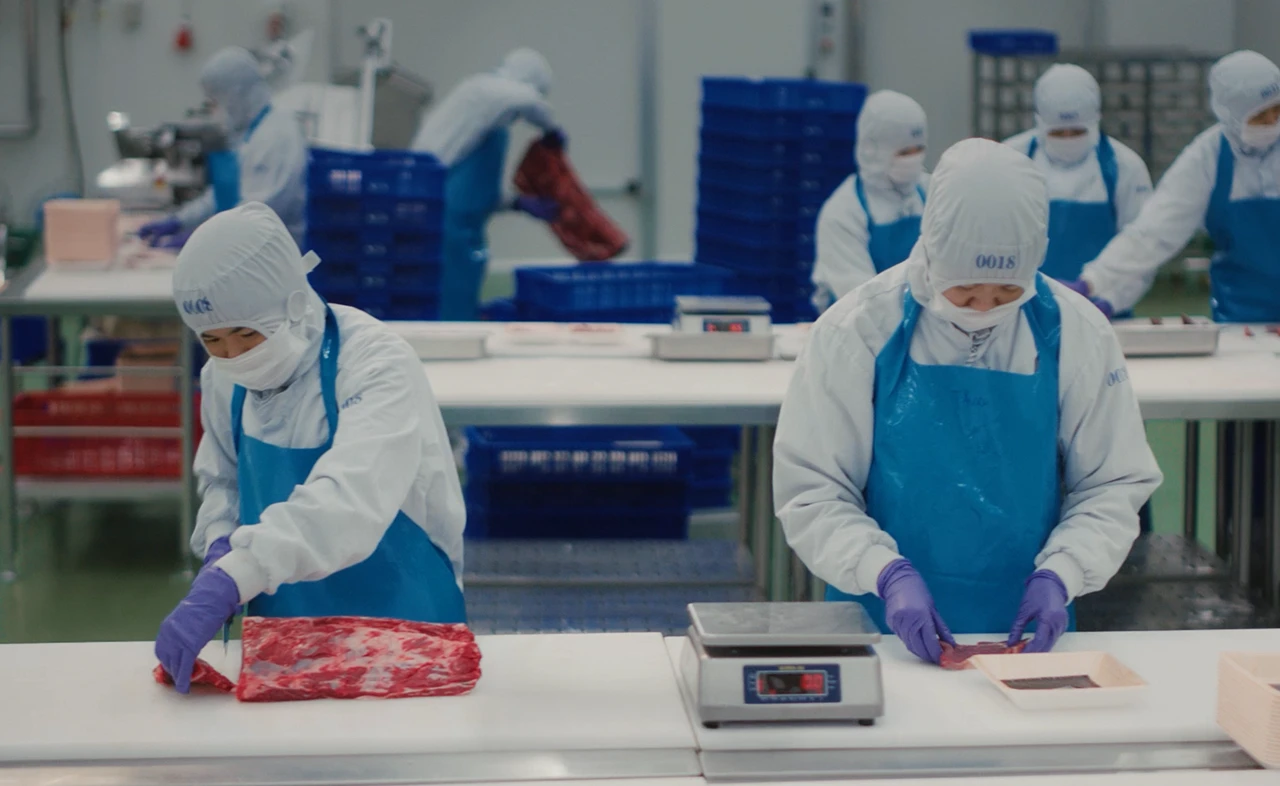
My third mission was to begin production. For the first three years of my assignment, I led a team in charge of design, procurement, and construction of the plant. However, just before the plant was set to begin operations in December 2024, I was appointed manager of the team handling the butchering and deboning processes. I would be using the facility I had been involved in building. I had no experience with manufacturing, let alone food production, and with this role I felt a new level of pressure I had never experienced before. I felt the immense responsibility of overseeing meat production at one of the largest beef processing plants in Southeast Asia, leading a sizeable team of plant workers, and making the right decisions both on and off the production line. While I still feel some of that pressure today, the project manager and I ultimately developed this plant from the ground up, and I am confident that no one understands this facility better than I do.
I also rely on the support I receive from our hardworking plant operators. This role has taught me the importance of going onsite to understand and experience actual day-to-day operations, rather than relying on theoretical concepts and ideas that only work on paper. When I visit the production line and carry out the meat processing and deboning work together with the operators, I notice new ways to improve operations, such as adjusting the height or positioning of equipment and switches, ensuring that the operators’ workflow follows a logical pattern, and confirming that the instructions I’ve given are realistic in practice—there are truly countless discoveries to be made based on on-site observation. Rather than simply giving orders, my aim is to stay deeply involved in daily operations, try things for myself, and work to build a team and plant capable of producing even safer and more reliable meat products.
It has been nearly half a year since we launched plant operations. Reflecting on my work in Vietnam thus far, my path has been filled with many obstacles. But each challenge has given me assets that could only be gained through this experience. Practical skills, confidence, determination, bravery—I have had abundant opportunities to experience success and develop these abilities as a professional. The tasks that the plant relies solely on me to complete are slowly increasing, and I think my essential role in operations is a testament to the personal growth I have achieved. In addition, I am proud that our safe and reliable beef products are meeting growing domestic demand and enriching the lives of the people of Vietnam.
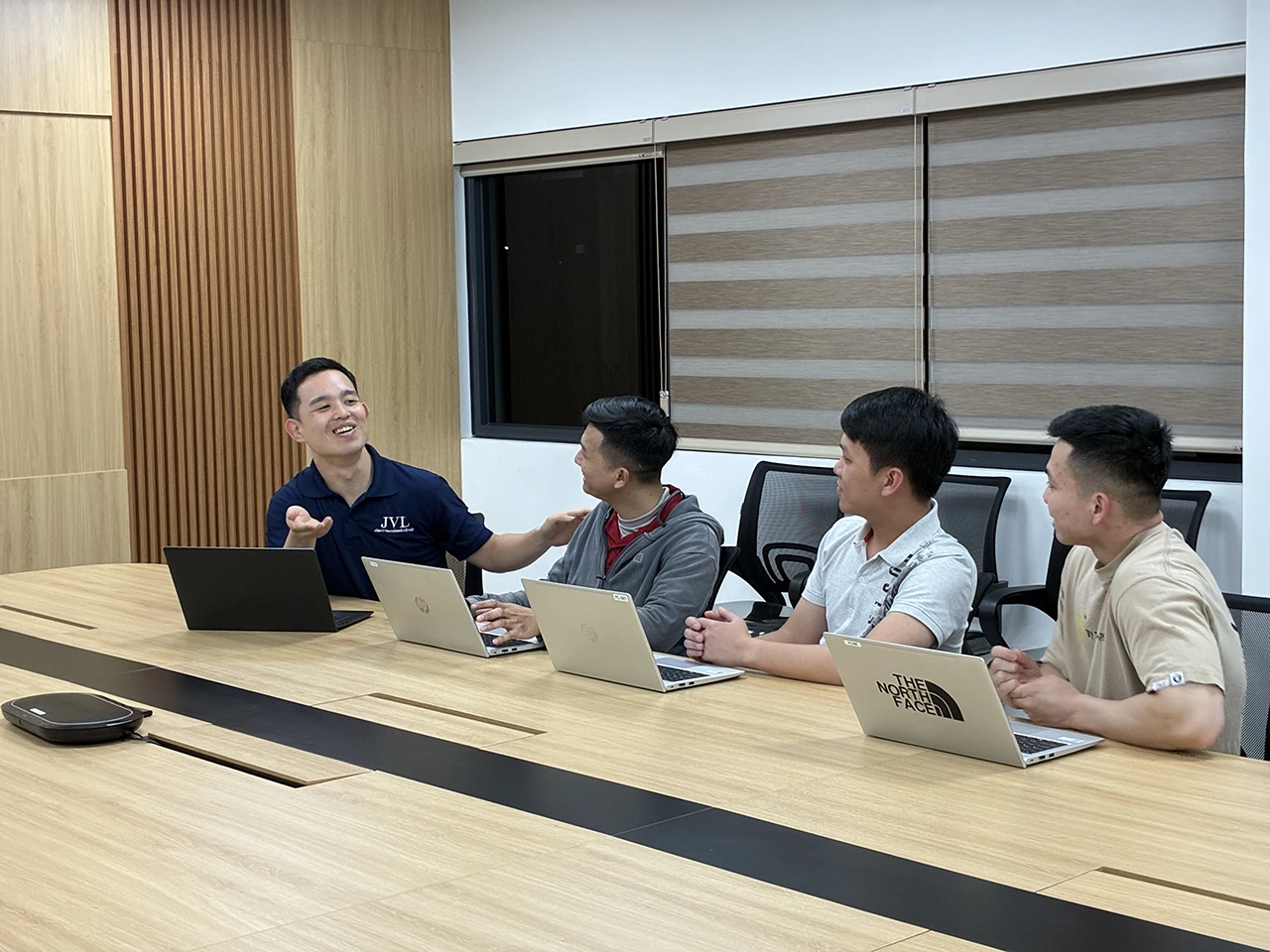
My goal is for our plant to become the No. 1 beef processing facility in Southeast Asia and maintain that status going forward. New competitors may emerge in this industry, and it is my job to create a team that never stops improving so that we can capture and hold that dominant position. To achieve this goal, I need to ensure that my team members understand and implement health and safety practices throughout all operations, take a holistic approach to evaluate our processes to ensure optimal performance, and flexibly adapt and update our methods as needed.
Through this experience of developing a facility and managing production here in Vietnam, I learned both the hardships and the joys that come along with creating something from scratch. I hope that I can one day use the skills I’ve gained here to develop my own project idea, nurture it from the ground up, and bring my vision to fruition as a successful business. Particularly when exploring a completely new field, it is crucial to learn as much as you can and gain firsthand experience within that industry. I believe that by establishing that foundation, then gradually building your knowledge base and collaborating with business partners, colleagues, and leadership, you can become an expert in any field and carry a business forward to success. Finally, my goal as an individual is to provide an indispensable contribution and make a positive impact on each team I work with, no matter where I am in the world.