Sustainability Initiatives through Business Activities
Our company promotes sustainability initiatives on a company-wide basis under its sustainability governance framework, advancing cross-organizational collaboration and actions related to sustainability. The business divisions are also actively addressing ESG issues as part of their efforts to create value through their businesses while contributing to the realization of a sustainable society.
This page introduces specific examples of sustainability initiatives implemented through our business activities.
1. Climate Change
As part of our response to climate change, we also introduce news releases from our business divisions related to our carbon-neutral gas initiatives (transition businesses) and circular businesses (recycling).
1-1. Recent Releases
1-1-1. Carbon Neutral
Sojitz to Provide Green Hydrogen Produced in Australia to Pacific Island Countries
1-1-2. Gas-Related Business (Transition)
Sojitz Enters Natural Gas-fired Power and Desalination Project in the United Arab Emirates
Sojitz Participates in Syrdarya II IPP Project in Uzbekistan
1-1-3. Circular Business (Recycle)
2. Resource Sustainability
2-1. (Metals, Mineral Resources & Recycling Division) Participation in IT Asset Reuse and Recycling Businesses
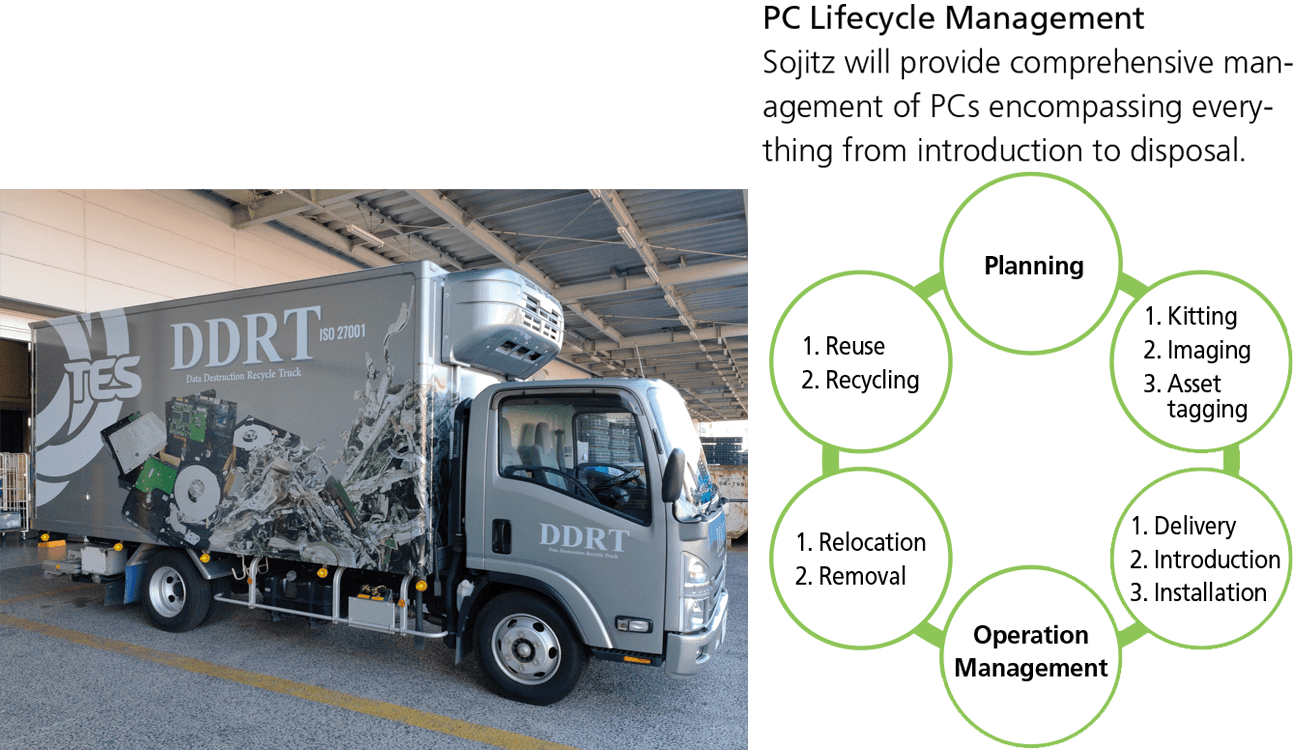
In January 2021, Sojitz acquired a stake in TES-AMM JAPAN K.K., the Japanese branch of TES Group, one of the largest global IT asset disposition service providers. Through this investment, we look to promote the normalization of reuse and recycling of IT equipment in order to contribute to the realization of circular economies. In addition, TES Group is moving forward with the development of a lithium-ion battery recycling business that utilizes Sojitz’s network.
Sojitz also holds an in-house collection drive for unused IT equipment twice a year, and the collected devices are recycled by TES-AMM JAPAN.
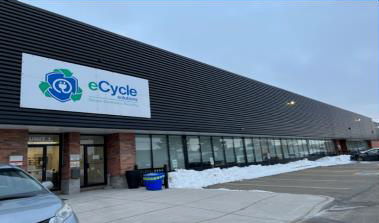
In February 2023, Sojitz acquired a 34% stake in eCycle Solutions Inc., a wholly owned subsidiary of JX Metals and Canada’s largest collector and processor of e-waste (discarded household appliances and electronic devices). Sojitz and JX Metals began joint collaboration on the recycling business in April 2023.
eCycle recycles e-waste in Canada and is also developing an IT Asset Disposition (ITAD)* business. JX Metals is aiming to increase the ratio of recycled raw materials to 50% by 2040, and Sojitz has identified resource recycling as a key sustainability issue. Through this collaboration with JX Metals, Sojitz aims to enhance eCycle’s corporate value and contribute to the realization of a recycling-oriented society.
- IT Asset Disposition (ITAD): Services related to the effective use of IT assets such as discarded electronic devices and electronic circuit boards after data erasure, particularly their reuse and recycling.
2-2. (Chemicals Division) Acceleration of Chemical Recycling Initiatives
-
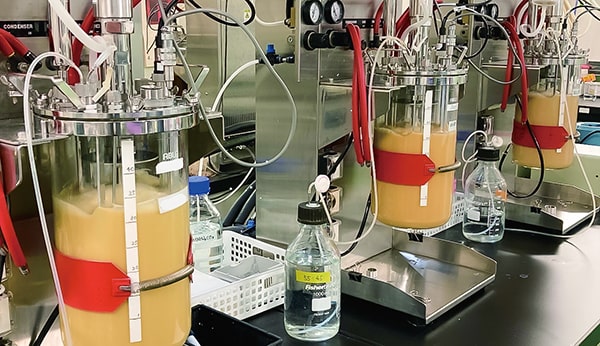
The Chemicals Division has been accelerating initiatives in the plastic recycling market, which is expected to continue growing over the next 10 years or more, as part of its efforts to address environmental issues. Areas of focus in this regard include the capacity for processing mixed plastics comprising multiple types of plastic, the ability to use the naphtha created by refining said plastics in existing petrochemical facilities, and the potential for the production of recycled plastic with a level of quality on par with conventional plastic. With these areas of focus, we have been moving ahead with the development of waste plastic chemical recycling processes that utilize thermal decomposition oil production technologies.
-
3. Pollution Prevention
3-1. (Chemicals Division) Initiatives at Sojitz Pla-Net Corporation
Sojitz Pla-Net Corporation is a core Sojitz Group company engaged in the plastic resin business. Leveraging the unique properties of plastic, Sojitz Pla-Net conducts business in a diverse range of industries including automotives and appliances, housing, food packaging, and more. Sojitz Pla-Net is also focused on environmentally sustainable business fields, and the company’s Green Polyethylene business is one example of its commitment to the environment.
3-1-1. What is Green Polyethylene?
Green Polyethylene is a recyclable biomass polyethylene (non-biodegradable resin). Based on bioethanol, a raw material derived from sugar cane, biopolyethylene contributes to carbon neutrality by serving as an alternative to petrochemical polyethylene, without sacrificing the benefits and physical properties of traditional plastics.
Brazil’s Braskem S.A. is the world’s sole manufacturer of green polyethylene, and Sojitz Pla-Net has served as Braskem’s distributor for the Asian market since 2012. Through this partnership, Sojitz Pla-Net and Braskem have jointly promoted sales of Green Polyethylene to customers. All products manufactured using petrochemical-derived polyethylene can also be made using Green Polyethylene, and Green Polyethylene is being adopted across multiple fields including medical care, pharmaceuticals, food products, and household goods.
3-1-2. CO2 Reducing CO2 Emissions
Because the raw materials for Green Polyethylene come from plant-based sugar cane, which captures CO2 through photosynthesis during its growth process, even after offsetting the CO2 generated in the manufacturing process, this polyethylene is still carbon negative. According to a research firm in Brazil, their evaluation is that -2.12 kgs of CO2 are captured per manufactured 1kg of Green Polyethylene.
As a result, Green Polyethylene achieves a reduction of -5.22 kgs compared to conventional fossil fuel-based PE.
3-1-3. Provision of Information on Chemical Substances and Raising Consumer Awareness
As a bridge between suppliers and users, Sojitz Pla-net actively discloses detailed information on green polyethylene—an environmentally friendly material—including its feedstock characteristics, chemical properties, and environmental impact reduction effects, through its website and other channels. Through these efforts, we aim to raise awareness among customers and consumers who seek environmentally responsible products.
In addition to providing information, we continue to collaborate with Braskem to jointly develop new grades tailored to customer needs.
3-1-4. Seabed Sediment Monitoring around Aquaculture Sites
To appropriately understand and manage the environmental impact of aquaculture operations on surrounding marine areas, seabed sediment analysis is conducted once a year around the aquaculture sites.
In order to monitor the potential impact of uneaten feed and fish excreta on the seabed environment, sediment (mud) samples are collected from the seabed and voluntary testing of SOx and NOx is conducted on an ongoing basis.
Through these initiatives, we quantitatively assess the condition of the aquaculture site environment and, where necessary, review management practices and implement improvement measures. This helps support the sustainable operation of aquaculture activities while reducing environmental impacts on the surrounding marine ecosystem.
4. Water Resources
4-1. Initiatives in Water-Stressed Regions
4-1-1. (Energy Solutions & Healthcare Division) Entry into the Desalination Business
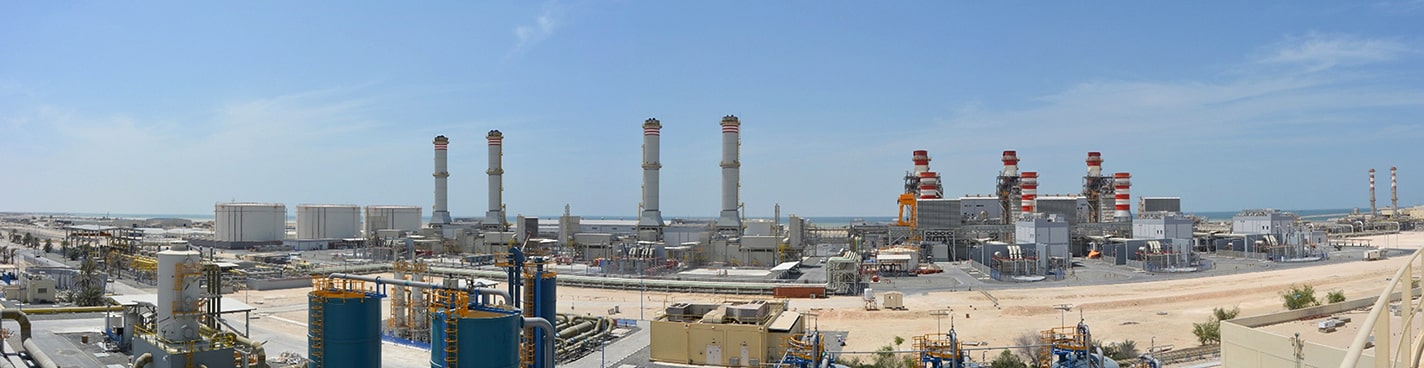
Sojitz has entered the natural-gas power and desalination business in the Emirate of Abu Dhabi, United Arab Emirates, a water-stressed region.
In May of 2021, Sojitz acquired a 20% stake in Mirfa International Power and Water Company (MIPCO), which operates the Mirfa Independent Water and Power Project in the Emirate of Abu Dhabi, United Arab Emirates. The company acquired all shares in MIPCO held by SHUAA Capital, a major asset management and investment firm in the Emirate of Dubai. Sojitz manages operations together with existing shareholders Abu Dhabi National Energy Company PJSC (TAQA), one of the largest integrated utilities companies in the EMEA region based in Abu Dhabi, along with ENGIE SA, a major French energy company with extensive experience in the development and operation of large-scale IPP/IWPP projects around the world.
The project consists of natural gas-fired power facilities which have a generation capacity of 1,600MW and desalination facilities which have a desalination capacity of 52.5 million imperial gallons per day. Sojitz and its partners own and operate the power and desalination plant. All electricity and water produced by the plant are sold to Emirates Water and Electricity Company under a 25-year long-term power and water purchase agreement. Sojitz seeks to provide a stable supply of electricity and water in Abu Dhabi where demand is increasing in response to economic development utilizing natural gas which is an environmentally friendly fossil fuel with a lower environmental burden of combustion compared to other types of fossil fuels used for thermal power plants.
Read more
5. Biodiversity
5-1. (Retail & Consumer Service Division) Bluefin Tuna Aquaculture Business
5-1-1. Sojitz Obtains SCSA Certification for Artificial Seedlings
SCSA certification is granted for producers of sustainable seedlings. Sojitz Tuna Farm Takashima has acquired SCSA certification, which ensures traceability of all the tuna shipped by the subsidiary as entirely artificially cultured tuna. Additionally, tuna farming that uses artificial seedlings can help to protect marine resources such as bluefin tuna as shortages have posed an issue in recent years.
Read more
5-1-2. Training Future Leaders through Sojitz’s Tuna Farm Aquaculture Business
Since May 2021, Sojitz has used its tuna farming business to provide students from Kyoritsu Women’s University and Tokyo Kasei University with an opportunity to learn about aquaculture and to experience the business environment firsthand as part of an effort to help train the next generation of professionals and leaders.
-
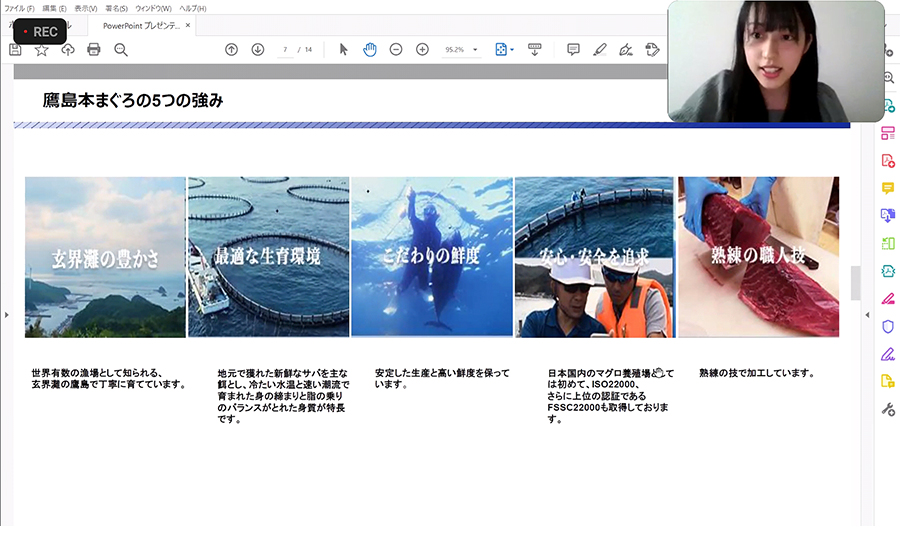
Educational activities for university students
(from an online lecture for students from Kyoritsu Women’s University) -
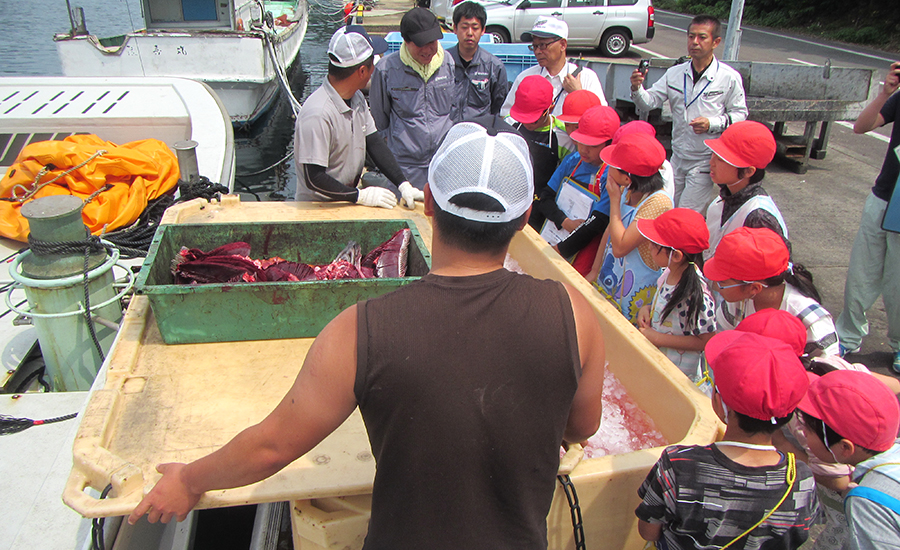
Elementary school students observe tuna processing
Read more