Metals, Mineral Resources & Recycling Division
The Metals, Mineral Resources & Recycling Division is engaged in business development of steelmaking raw materials, critical minerals, and circular economy fields to build a specialized supply chain that provides new value for customers and society.
Division Strategy
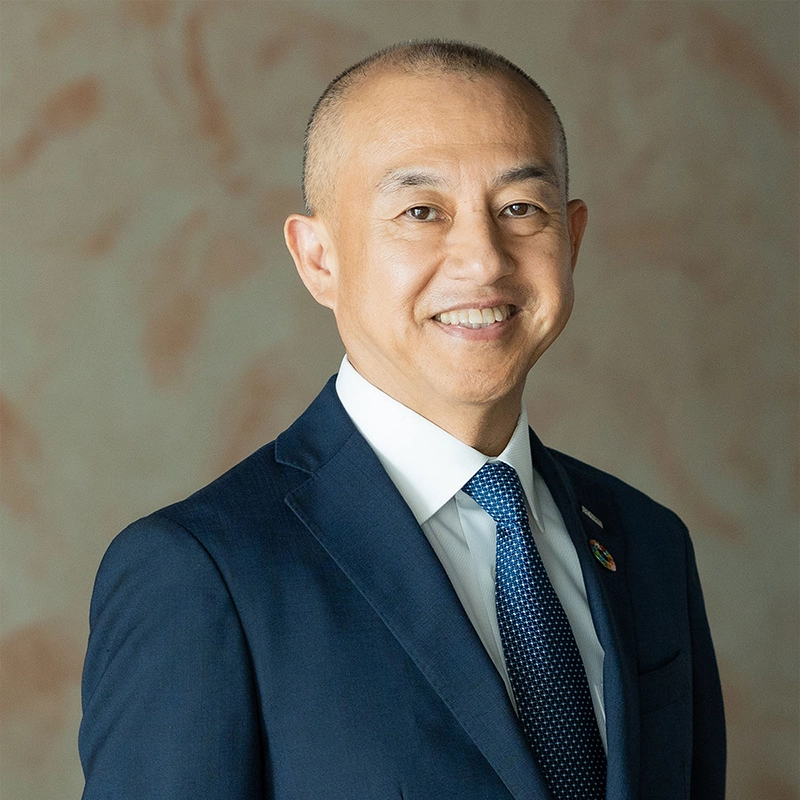
The Metals, Mineral Resources & Recycling Division is strengthening its initiatives to develop supply chains for green steelmaking and critical minerals and transform our business portfolio in pursuit of stable and sustainable growth.
Katsunori Okada
Executive Officer, COO
Metals, Mineral Resources & Recycling Division
We anticipate continued volatility in the business environment due to factors such as declining steel demand in Japan, global trends towards decarbonization and a circular economy, and economic security issues brought on by emerging geopolitical risks. Historically, the division’s profits have primarily been driven by our raw materials business (including our investments in upstream interests) supplying coal, iron ore, and minor metals to customers in Japan, as well as our steel products sales business. However, in light of ongoing changes to the business environment, we are now taking steps to transform our portfolio to establish a stable earnings foundation and ensure sustainable growth going forward.
Specifically, the division is strengthening its initiatives in the following key focus areas.
1. Establishment of a Green Steelmaking Supply Chain
We aim to develop a supply chain to contribute the Green Transformation (GX) of the steel industry. We have already launched a feasibility study in Canada (the Kami Project) to explore the production of high-grade iron ore required for steel production via the electric arc furnace method, and we aim to leverage Sojitz’s unique capabilities to build a strategy based on high-quality and direct reduced iron materials and proactively cultivate other new businesses in this field going forward.
2. Establishment of a Critical Minerals Supply Chain
Today, the spread of EVs is driving demand for batteries, and ongoing digitalization is causing a rise in demand for semiconductors. At the same time, advancements in product quality and performance are also changing the types of mineral resources required to create these products. The division has a longstanding track record handling niobium (a critical mineral) produced by Brazil-based CBMM, and we are also working to secure a stable supply of gallium, a key material essential for manufacturing next-generation power semiconductors. In addition, we are also expanding beyond our existing business model, which combines trade and investments in upstream interests, to create new business in both the midstream and downstream segments of the value chain. Regarding our existing coal business, this initiative serves as a cash-generating business that funds our strategic growth investments, and we will continue to enhance cost competitiveness and productivity in this area while also considering timely and appropriate asset replacement.
The division will continue to pursue a dual approach that both expands existing business and fosters new business creation while forecasting future changes in material and value chains. We will maximize our competitive edge and identify the winning strategies best suited for our organization as we strive to establish a framework for stable resource supply and meet the needs of customers and society.
Strengths of the Division
-

Specialty critical minerals
Created opportunities in response to geopolitical risks through equity participation in the critical minerals business. Established reliable and stable supply chains for specialty critical minerals, including niobium,*1 and engaged in research and development to discover advanced materials and functionalities.
-

Initiatives for green steelmaking
Leveraging our long-standing partnerships and expertise in handling high-grade iron ore—essential to lower-carbon, ultimately net-zero steelmaking—we have initiated business development aimed at ensuring a stable supply over the medium to long term.
-
Stable earnings foundation from midstream to downstream business
Alongside Metal One, our group’s integrated steel trading firm, we are broadening our stable earnings foundation through participation in the growing circular economy field, where social needs are rising.
*1 Niobium: Niobium is an important additive in the production of high-tensile steel alloys and stainless steel. Niobium’s ability to enhance strength while reducing weight has made it indispensable for automotive applications.
Global Operations
Business Map
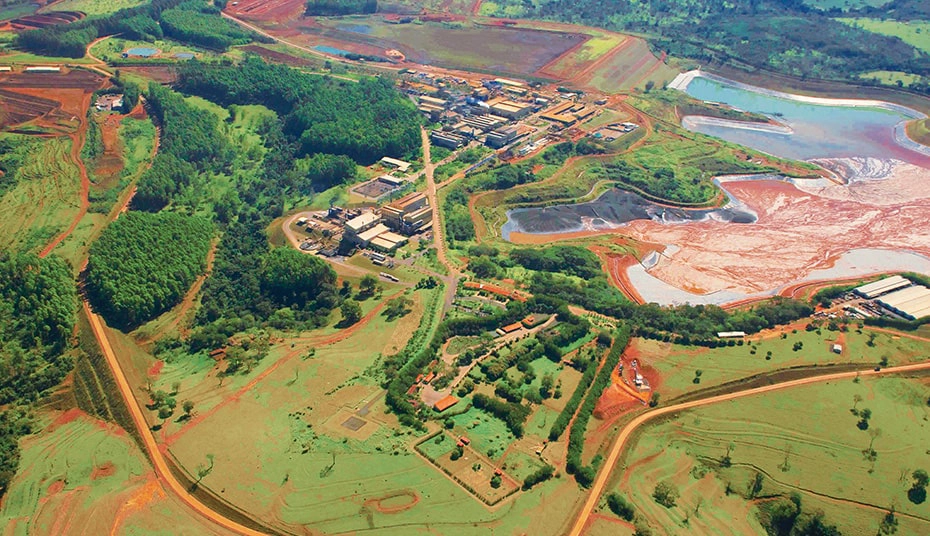
Niobium Business: CBMM (Brazil)
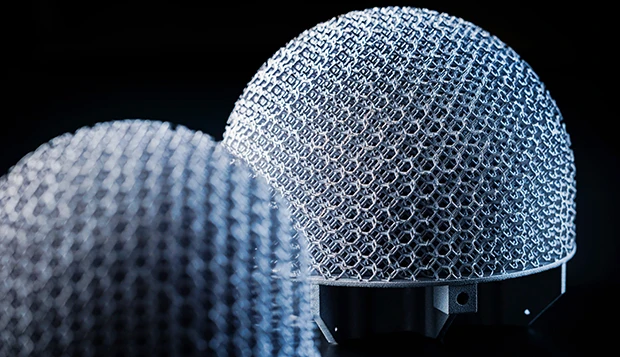
Products formed using 3D metal printer: JAMPT Corporation (Japan)

Kami Iron Ore Project (Canada)
Business Overview
■ Steel Raw Materials Business
The iron and steel industry aims to achieve carbon neutrality by 2050 through initiatives that include transitioning from conventional blast furnace iron ore reduction using coking coal, to a blast furnace method that uses hydrogen for iron production. The global iron and steel industry also aims to reduce CO2 emissions to one-fourth current levels in the 2030s by transitioning from a coking coal-based blast furnace method to a recycling-based electric arc furnace method that uses iron scraps as raw materials. In order to produce high-grade steel products with the electric arc furnace method, in addition to requiring high-quality iron scraps, it is necessary to use reduced iron that lowers the level of impurities. Securing high-grade iron ore will be indispensable in the production of reduced iron. At the end of 2024, Sojitz entered a basic agreement with iron ore producer Champion Iron Limited and Nippon Steel Corporation, for the joint ownership and development of Canada’s Kamistiatusset Project (Kami Project), beginning with a feasibility study. The company acquired stake to invest in the Kami Project in September 2025, and we are currently working to advance the feasibility study towards the production of DR quality iron ore.
The Metals, Mineral Resources & Recycling Division is considering investment in companies that develop technologies for the efficient collection of low impurity iron scraps and for handling high-quality and direct reduced iron materials.
The division is gradually withdrawing from its thermal coal interests to achieve sustainable growth and address rising global environmental awareness. We will maintain coal mine operations at Gregory Crinum mine in Australia to ensure stable production while pursuing cost reductions to achieve reliable supply during the transition to a decarbonized society.
■ Metal Resource Business
In light of the growing demand for semiconductors and batteries, the minor metals used to create these essential products have been designated geopolitically as “critical minerals” due to their uneven global distribution. Securing a stable supply of these critical minerals over the medium to long term has become an urgent priority across Japan, Europe, and North America. The niobium produced by CBMM—a company we have partnered with for many years and in which we hold an equity stake—is expected to see continued growth in global demand as an additive for lightweighting steel used in automotive applications and beyond, and we are also working to develop new downstream applications, such as NTO batteries*2 that offer ultra-fast charging and long service life.
In Australia, Sojitz and JOGMEC have established a joint venture company, Japan Australia Gallium Associates Pty Ltd. (JAGA), to conduct a joint development study for gallium production in Australia. JAGA has signed a joint development agreement with the Australian subsidiary of leading U.S. based global aluminum producer Alcoa Corporation, to explore the feasibility of producing gallium at one of Alcoa’s Western Australian operating alumina refineries.
Gallium has a broad range of applications including LED, solar photovoltaic cells, and compound semiconductor materials. While rising demand for semiconductors is expected to further drive global demand for gallium, production of the critical mineral is concentrated in a number of countries.
Through the joint development in 2026, the division aims to achieve long-term and stable supply of the critical minerals.
*2 NTO batteries: A next-generation lithium-ion battery that uses niobium titanium oxide (NTO) as an anode material.
■ Metal Products and Circular Economy Business
In the field of steel products, the division is pursuing synergies in growth markets through collaboration and support with partners Metal One Corporation, the integrated steel trading joint venture established together with Mitsubishi Corporation.
We are building the foundation for a circular economy business model that promotes reusing and recycling of metal resources and addresses the changing needs of society, such as the shift towards decarbonization and the efficient use of resources. Specifically, the division participates in the management of equity interests in Japan such as IT asset disposition company, TES-AMM JAPAN K.K, and eCycle Solutions Inc., a recycling business based in Canada that handles household appliances and electronic devices. The Metals, Mineral Resources & Recycling Division aims to develop businesses of scale in circular economy businesses for recycling metal and other waste.
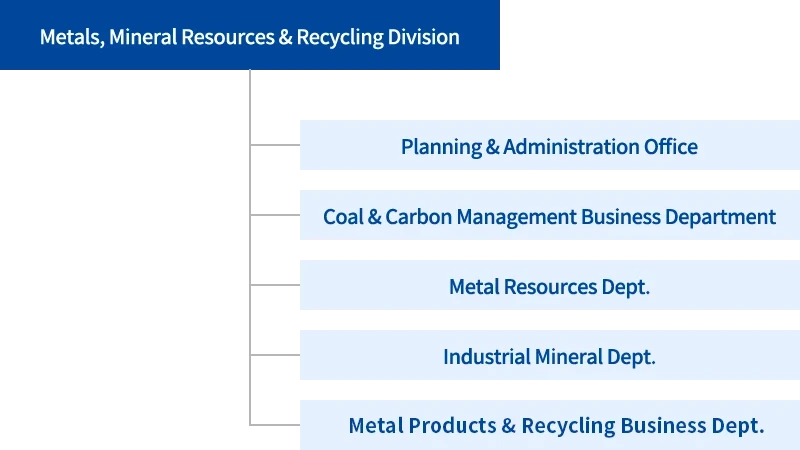
Organization
Latest Information
-
Jul. 15, 2026
Topics
Final Investment Decision Reached for Gallium Production in Australia
-
Aug. 4, 2025
News Release
Sojitz Begins Joint Development Study for Gallium Production in Australia
-
May 14, 2025
News Release
Sojitz Launches Hi-Kii Quoting Platform for Companies’ IT Asset Disposition
-
Dec. 19, 2024
News Release
Sojitz Signs Agreement to Join Kami Iron Ore Project in Canada
-
Oct. 17, 2024
Topics
Installation of m-DAC® Technology in Tokyo to Capture and Utilize Carbon Dioxide from the Atmosphere